Yamywyh

Getting large-sized display glass sourced efficiently isn’t just about knowing the ins and outs—you also need to have a smart strategy up your sleeve. Nowadays, companies like GlassPro and VisionDisplay are really stepping up; they get how tricky it can be to find high-quality glass in those big sizes. Let's be honest, sourcing this kind of glass isn't exactly a walk in the park. Things like availability, price, and how reliable your suppliers are all come into play.
Savvy businesses know that building solid relationships with suppliers makes all the difference. It’s basically a safety net against supply chain hiccups. When you find a supplier you trust, you get consistent quality and on-time deliveries—huge pluses. But, here’s the thing: not every supplier can handle the specifications that large-size glass requires. You gotta do your homework and really assess what each supplier can do.
And then there are production limitations. Not every manufacturer can produce something like a big mirror or large display glass without issues. Miscommunications about what’s needed? That’s a common recipe for delays and frustration. So, being crystal clear about your requirements from the start is super important. Also, checking out references and past work from potential suppliers can really help you feel more confident about your choices. In this ever-changing market, open and honest conversations are what lead to successful sourcing—making sure you get good quality, on time, and without headaches.

When sourcing large size display glass, understanding its unique requirements is crucial. Large display glass presents specific challenges, including weight and fragility. According to industry reports, the global market for large display glass is anticipated to reach approximately $34 billion by 2025. This growth underscores the need for sourcing strategies tailored to this segment.
It's vital to consider the logistical implications of large glass. For instance, handling and transportation require specialized equipment to minimize damage. Studies indicate that 30% of glass shipments suffer from breakage due to inadequate handling. Crafting effective partnerships with reliable suppliers can mitigate these risks. However, not all suppliers meet the stringent quality control measures needed for large size glass.
Quality specifications differ significantly for large displays. Factors such as thickness, coating, and size greatly influence sourcing decisions. The average thickness for large display glass can exceed 10 mm, necessitating advanced manufacturing processes. Additionally, the increasing demand for eco-friendly materials is reshaping sourcing trends. Many manufacturers now explore sustainable sourcing options, yet the availability of such materials remains inconsistent. Assessing these aspects thoughtfully can refine sourcing strategies and improve efficiency.
When sourcing large size display glass, identifying reliable suppliers is critical. Industry reports highlight that around 70% of procurement failures stem from supplier issues. Therefore, establishing trust with suppliers simplifies your sourcing process. Consulting market research from leading organizations can help you find verified players in the field.
One effective tip is evaluating potential suppliers' certifications. Look for ISO certification or equivalent quality standards. This indicates their commitment to maintaining high production quality. Additionally, ask for client references. A reputable supplier should have a robust portfolio. Their ability to handle large orders of products like Large Size Mirrors speaks volumes about their capabilities.
Another consideration is assessing suppliers based on their production capacity. It’s essential to understand if they can meet your specific demands within your timeline. A reliable supplier will be transparent about lead times. Sometimes, even small delays can result in significant project setbacks. Therefore, frequent communication is vital to ensure everything aligns with your expectations.
When sourcing large size display glass, evaluating quality standards is crucial. One must consider the varying types of glass available in the market. Not all glass is created equal. Different manufacturers may have different interpretations of quality. It’s vital to review their specifications closely.
Look at the manufacturer’s reputation. Are they known for their consistent quality? Reading reviews from other suppliers can offer insight. Check for certifications that indicate adherence to industry standards. A lack of certifications may reflect potential risks.
Testing samples can reveal much about the glass’s durability. Inspect for clarity and surface imperfections. Ensure that the glass meets your project’s specific needs. For instance, if you're sourcing a Large Wall Size Mirror, transparency and resistance to distortion are key. Reflect on whether the selected supplier truly understands these requirements. Making an informed choice requires diligence and attention to detail.
This chart illustrates the evaluation of quality standards when sourcing large-size display glass. It highlights five critical tips based on efficiency and quality metrics.
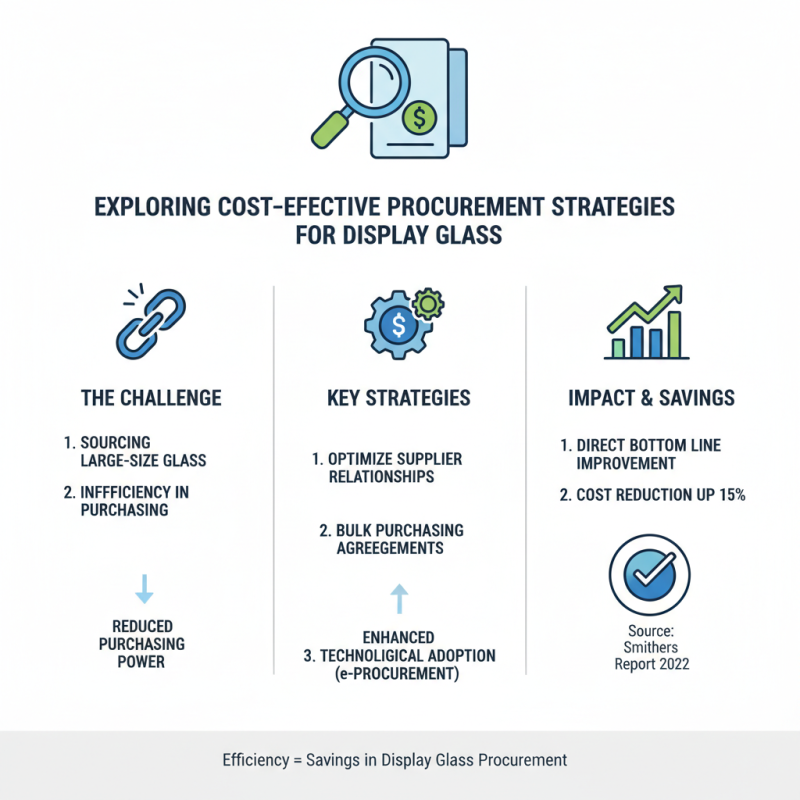
In the world of display glass procurement, efficiency is crucial. Many businesses face challenges in sourcing large size display glass. By utilizing cost-effective strategies, companies can enhance their purchasing power. Industry reports indicate that procurement strategies directly impact the bottom line. A 2022 report by Smithers found that optimizing supplier relationships could reduce costs by up to 15%.
Leveraging local suppliers can drive down costs while supporting local economies. Local suppliers often offer shorter lead times, which is vital for projects with tight deadlines. In a competitive landscape, timely delivery of a "Screen printed tempered large window display panel" becomes a key differentiator. However, relying solely on local suppliers may limit options and variants available, raising the risk of supply chain disruptions.
Negotiating bulk purchasing agreements can also yield significant savings. However, companies must balance the need for cost savings with quality. Compromising on quality for a lower price may lead to higher long-term costs due to replacements. A study by the International Window Association highlighted that 30% of businesses regretted prioritizing cost over quality in procurement decisions. Each strategy has its own pros and cons, and reflection on past decisions can guide more informed choices in the future.
In the modern glass sourcing industry, technology plays a pivotal role. Using data analytics, businesses can identify trends and make informed decisions. According to the Global Glass Industry Report, 2022, 70% of successful sourcing processes leverage technology for efficiency. With advanced software, companies can streamline communication with suppliers and reduce lead times.
To source large size display glass efficiently, consider these tips. First, use digital platforms for supplier evaluation. These tools provide insights into supplier reliability and pricing trends. Second, automate repetitive processes. Automation reduces human error and increases speed. Lastly, employ real-time tracking. This allows for better inventory management and reduces stockouts.
Yet, challenges exist. Not all suppliers adopt technology, complicating collaboration. Additionally, reliance on technology may overlook critical quality inspection processes. Balancing tech use with traditional methods ensures quality assurance. Regularly reassess sourcing strategies to adapt to changing market conditions. Embrace technology, but remember to keep a human touch in the process.
Efficient sourcing of large size display glass requires more than just finding suppliers with the lowest prices. The key lies in building strong, long-term partnerships with manufacturers. According to industry reports, 68% of display manufacturers prioritize supplier reliability over cost. Trust and open communication reduce lead times and prevent costly defects. A tip here is to schedule regular visits to manufacturing sites. Observing production firsthand uncovers potential issues early and fosters mutual understanding.
Engaging with suppliers as collaborators helps manufacturers align production capabilities with evolving technological needs. For example, the global display glass market's CAGR is expected to grow by 7.8% between 2023 and 2028, emphasizing increasing demand for precision and innovation. Small improvements in glass quality can significantly affect overall display performance. Thus, sharing market insights and feedback with manufacturers can drive continuous improvements. Try sharing quarterly performance reviews with suppliers to maintain transparency.
Building relationships is not foolproof; challenges remain. Lead times may still fluctuate due to raw material shortages. Occasional miscommunications happen despite best efforts. Reflecting on these issues allows both parties to refine processes. Investing time in relationship-building ultimately creates a more resilient supply chain, enabling efficient sourcing of complex large-size display glass, pivotal in today's rapidly evolving display technology market.
| Tip | Description | Benefits | Estimated Time |
|---|---|---|---|
| 1. Build Strong Relationships | Engage regularly with manufacturers to foster trust. | Improved communication and better pricing. | Ongoing |
| 2. Understand Market Trends | Stay informed about industry shifts and innovations. | Informed decision-making and better sourcing. | Monthly reviews |
| 3. Leverage Technology | Use software tools for tracking and managing suppliers. | Enhanced efficiency and easier audits. | 1-2 weeks for setup |
| 4. Negotiate Terms | Discuss pricing, delivery, and quality terms upfront. | Cost savings and reduced disputes. | 1-3 days |
| 5. Quality Assurance | Implement regular checks and balances on product quality. | Reduced defects and increased customer satisfaction. | Continuous |
Transporting large display glass can be complex. The logistics involved require careful planning and expertise. Different factors can affect the efficiency of this process. Challenges include weight, dimensions, and fragility. Understanding these factors is essential for success.
Effective sourcing is crucial for large display glass. Evaluate the size requirements before placing an order. Accurate measurements can prevent delays and additional costs. One common issue is underestimating transport needs, which can lead to damage. Always communicate clearly with suppliers about specifications.
Another vital aspect involves choosing the right transport method. A dedicated vehicle designed for fragile loads can minimize risks. Monitor the weather conditions, as adverse weather can cause delays. Using appropriate cushioning materials can help protect the glass during transit. Always consider the logistics challenges when sourcing Glass By Size to ensure the glass arrives in perfect condition.
The market for 1-8mm OEM tempered anti-reflective glass in lighting applications is witnessing significant growth, driven by the increasing demand for high-performance lighting solutions. This specialized glass, designed to meet OEM specifications, plays a pivotal role in enhancing the efficiency and aesthetic appeal of various lighting fixtures. With a unique combination of heat resistance and an anti-reflective coating, this glass ensures optimal light transmission while reducing glare, making it an ideal choice for diverse applications in both residential and commercial environments.
The adoption of tempered glass in lighting design is not merely a trend but a response to consumer needs for durability and quality. The ultra-clear properties of the glass provide a flawless finish that elevates the overall look of lighting products. Manufacturers and designers can leverage this technology to create lighting solutions that not only perform exceptionally but also stand out in terms of visual appeal. As this market continues to expand, opportunities for innovation and enhancement within lighting applications are vast, promising a brighter future for stakeholders in the industry.
: Evaluating quality standards ensures you select the right type of glass for your needs. Different manufacturers have different quality interpretations.
Check their reputation through reviews and look for industry certifications. A lack of certifications could signal potential risks.
Inspect for clarity, surface imperfections, and overall durability. Ensure it meets the specific needs of your project.
Local suppliers can reduce costs and offer shorter lead times, helping meet tight project deadlines effectively.
Relying solely on locals may limit available options and create risks of supply chain disruptions. Variety is often necessary.
Negotiating bulk agreements can lead to significant savings. However, always balance cost with maintaining quality standards.
Many businesses regret prioritizing cost over quality, leading to higher long-term expenses due to replacements or repairs.
Optimizing relationships can enhance negotiations and potentially reduce costs by improving communication and understanding each party's needs.
Paying close attention to details ensures that you meet specific requirements and avoid costly mistakes in glass selection.
No, prioritizing cost over quality may bring short-term savings but can lead to regrets and greater expenses in the long run.
Sourcing large-size display glass efficiently involves a comprehensive understanding of its unique requirements, including specific size and durability standards. Identifying reliable suppliers is crucial, as is evaluating their quality standards to ensure that the glass meets industry benchmarks. Organizations should consider cost-effective procurement strategies that can help minimize expenses while maintaining quality and reliability.
Additionally, leveraging technology can streamline the sourcing process, making it more efficient. Building strong relationships with manufacturers fosters collaboration and trust, which can lead to better negotiations and smoother transactions. Finally, companies must navigate the logistics challenges associated with transporting large-size display glass, ensuring safe delivery while adhering to timelines. By addressing these key areas, businesses can enhance their sourcing strategies for large-size display glass significantly.